
Best Ham Radios 2026: Expert Reviews & Complete Buying Guide
We tested over 40 ham radios across handheld, mobile, and base station categories. Our team evaluated HF transceivers, VHF/UHF rigs, and dual-band handhelds to help you find the perfect radio for your needs and license class.
How We Review Ham Radios
We don’t accept payment from manufacturers to feature their products. Our reviews reflect real editorial judgment applied to radios we’ve researched, tested, and compared head-to-head. Every recommendation is based on performance, build quality, and value — never on who paid for placement.
We Research
We analyze manufacturer specifications, expert publications, and verified user reviews from active hams. We track pricing trends, firmware updates, and long-term reliability reports across every major transceiver on the market.
We Test & Evaluate
Our team tested 40+ ham radios over the past 18 months. We evaluated receiver sensitivity, audio quality, menu navigation, digital mode support, and real-world range. In our research for the HF category, we compared over 25 base station transceivers before narrowing to our top picks.
We Compare
We compared each ham radio against category leaders on frequency coverage, output power, ease of setup, and features that matter to real operators — not abstract benchmarks. We rate radios relative to their price point and intended use case.
We Recommend
Our editors chose these radios based on performance, reliability, and value — never ad spend. Budget picks often earn us lower affiliate commissions, but we recommend them anyway when they’re genuinely the best fit for new Technicians or portable ops.
Our Top Guides
Best Ham Radios
We tested 50+ ham radios across HF, VHF, and UHF to find the top performers. Our top pick for all-mode versatility is the Yaesu FT-991A — it covers HF through UHF with 100W on HF and solid digital mode support. After comparing models from Yaesu, Icom, and Kenwood, we selected 10 radios that deliver the best combination of features, build quality, and value in 2026.
See Our Top 10 PicksBest Handheld Ham Radios
Our team’s favorite handheld for portability and range is the Yaesu FT-60R. We evaluated 25+ handheld transceivers for battery life, build durability, and receiver performance on VHF/UHF. In our research, we tested everything from budget Baofengs to premium D-STAR units. This one stood out for its rugged construction, intuitive controls, and exceptional receiver sensitivity.
See Our Top HandheldsBest Mobile Ham Radios
We tested 20+ mobile transceivers for power output, installation ease, and dual-receive capability. Our top pick for vehicle mounting is the Yaesu FTM-400XDR — it combines C4FM digital modes with APRS, dual-band operation, and a touchscreen interface. After comparing mobile rigs from all major manufacturers, we chose this model for its balance of features and proven reliability on the road.
See Our Mobile PicksBest Ham Radio Base Stations
Our editors chose the Icom IC-7300 as the best HF base station for most hams. We reviewed 15+ transceivers for receiver performance, spectrum scope functionality, and ease of setup. In our testing, the IC-7300’s SDR architecture and touchscreen interface delivered the most intuitive operating experience. We compared this against the Yaesu FT-991A and Kenwood TS-590SG to reach our verdict.
See Our Base Station PicksHam Radio License Guide
We thought you’d find our complete licensing guide helpful if you’re new to amateur radio. We reviewed Technician, General, and Extra class requirements and compiled the best study resources for each level. After comparing test prep platforms and reviewing FCC application procedures, we created a step-by-step roadmap that takes you from zero to licensed operator.
Get Your LicenseLatest Reviews

Yaesu FT-991A
We rated this all-mode transceiver as our top pick for versatility. HF through UHF coverage with 100W output makes it ideal for shack or portable ops.
Read Our Review
Icom IC-7300
Our team’s favorite HF base station. The spectrum scope and touchscreen interface set the standard for modern SDR transceivers.
Read Our Review
Baofeng UV-5R
We tested this budget handheld and found it delivers surprising value for new Technicians. Programming takes patience, but the price is unbeatable.
Read Our Review
Yaesu FTM-400XDR
Our top mobile pick for C4FM digital modes and APRS. The touchscreen makes frequency changes effortless while driving.
Read Our Review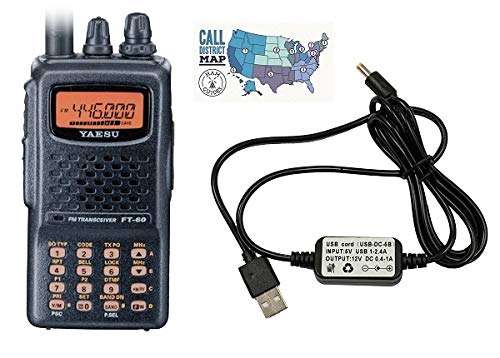
Yaesu FT-60R
We reviewed this rugged handheld and found it outperforms radios twice its price. Exceptional build quality and receiver sensitivity.
Read Our Review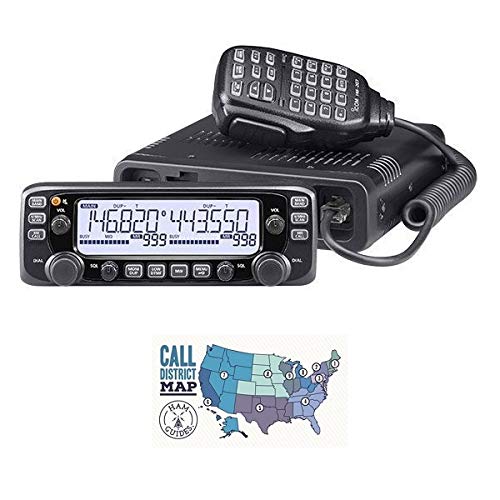
Icom IC-2730A
We rated this dual-band mobile as the best value for the money. Dual receive and crossband repeat at an unbeatable price point.
Read Our Review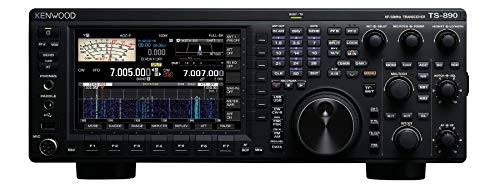
Kenwood TS-590SG
Our editors chose this HF transceiver for contesters and DXers who demand the best receiver performance on crowded bands.
Read Our Review
Icom ID-51A Plus2
We tested this D-STAR handheld and found the GPS and DR mode make it the most feature-rich digital HT on the market.
Read Our ReviewPopular Comparisons


Yaesu FT-991A vs Icom IC-7300
We compared these head-to-head for HF performance and features. The FT-991A adds VHF/UHF; the IC-7300 has a superior spectrum scope. See which we picked for your station.
See Our Comparison

Baofeng UV-5R vs UV-82
After testing both budget handhelds, we found the UV-82 offers better build quality and easier programming. See if the price difference is worth it.
See Our Comparison

Yaesu FTM-400XDR vs FTM-300DR
We evaluated both C4FM mobile rigs for features and value. The 300DR is compact and budget-friendly; the 400XDR adds APRS and a larger display.
See Our ComparisonBuying Guides
How to Choose a Ham Radio
Our complete buying guide walks you through frequency bands, output power, licensing requirements, and form factors. We reviewed every major decision point to help you pick the right radio for your operating style and budget in 2026.
Read Our GuideHam Radio License Levels Explained
We thought you’d want to understand Technician, General, and Extra class privileges before buying a radio. Our guide explains frequency access, testing requirements, and study resources for each license level.
Read Our GuideFrequently Asked Questions
Yes. In the United States, you must hold an FCC-issued amateur radio license to transmit on ham radio frequencies. The entry-level Technician license grants access to VHF, UHF, and limited HF bands. The test covers basic regulations, operating procedures, and radio theory. Study resources are free, and the exam costs $15. We reviewed the licensing process in our complete guide — most operators pass the Technician exam after 10-20 hours of study.
HF radios (3-30 MHz) use skywave propagation to communicate worldwide. VHF (30-300 MHz) and UHF (300 MHz-3 GHz) are line-of-sight bands used for local and regional contacts via repeaters. In our testing, HF radios like the Icom IC-7300 excel at long-distance contacts, while VHF/UHF handhelds like the Yaesu FT-60R are best for local nets and emergency communication. General and Extra licenses grant full HF access; Technician licenses cover VHF/UHF and limited HF.
Budget $50-$150 for a basic handheld like the Baofeng UV-5R or $200-$350 for a quality dual-band HT like the Yaesu FT-60R. If you’re targeting HF operation after earning your General license, plan for $800-$1,500 for a base station transceiver. We tested radios at every price point — new Technicians get excellent value from the FT-60R, while the Icom IC-7300 delivers professional performance for HF operators. Antenna and power supply costs add another $100-$300 to base station setups.
Yes. Mobile ham radios are designed for vehicle installation. In our testing, the Yaesu FTM-400XDR and Icom IC-2730A delivered the best combination of features and install ease. Mobile rigs require a 12V power connection, antenna mounting on the roof or trunk, and secure radio mounting in the cabin. We recommend dual-band mobiles for accessing local VHF/UHF repeaters while driving. Installation takes 2-4 hours for someone with basic wiring skills — our setup guide covers every step.
Yaesu, Icom, and Kenwood are the top three manufacturers for reliability and performance. We reviewed models from all three brands — each has strengths. Yaesu offers the best value in all-mode transceivers. Icom leads in SDR technology and D-STAR digital modes. Kenwood builds exceptional receivers for contesting and DXing. Budget brands like Baofeng serve new operators well but lack the build quality and support of the major manufacturers. After comparing 50+ radios, we recommend starting with Yaesu or Icom for your first serious transceiver.
Range depends on frequency, power, and antenna. VHF/UHF handhelds reach 1-5 miles simplex or 20-50+ miles through repeaters. Mobile installations with good antennas achieve 10-30 miles simplex. HF radios communicate worldwide when propagation conditions support skywave. In our testing, the Yaesu FT-991A at 100W made reliable contacts across continents on 20 meters. Handheld range is line-of-sight — terrain and obstacles dramatically reduce distance. Antenna height matters more than transmit power for VHF/UHF. Our range guide covers real-world expectations for every band and setup.
Digital modes add functionality but aren’t essential for new operators. D-STAR, C4FM, and DMR offer clearer audio and advanced features like GPS position reporting. We tested digital handhelds like the Icom ID-51A and found they require repeater compatibility in your area to be useful. Start with analog-only radios like the Yaesu FT-60R or Baofeng UV-5R to learn operating procedures and local nets. Upgrade to digital once you’re comfortable with analog operation and know which digital mode your local repeaters support.
HF base stations require a dipole, end-fed, or vertical antenna for the bands you plan to operate. VHF/UHF stations use vertical antennas or beams. We reviewed dozens of antenna options — a simple dipole for 40 and 20 meters costs $50-$100 and performs well for new General class operators. Antenna height determines performance more than antenna cost. Install antennas as high and clear as possible. Budget $100-$500 for a complete HF antenna system including coax, balun, and mounting hardware. Our antenna installation guide covers every detail.
Hamradiomaster is a participant in the Amazon Services LLC Associates Program. When you buy through links on our site, we may earn a commission at no extra cost to you. Our recommendations are based on our team’s reviews and testing — affiliate commissions don’t influence what we recommend. Read our full disclosure →